Introduction
The COVID-19 pandemic has had a profound impact on various aspects of life, including the way we approach cybersecurity. The shift to remote work and the surge in cyber threats have forced companies to reevaluate their cybersecurity strategies. This article explores the changes in the cybersecurity landscape in the post-COVID world.
The Rise of Remote Work
Pre-COVID vs. Post-COVID
Pre-COVID: Offices were the primary workspaces, with some occasional remote work.Post-COVID: Remote work has become the norm, leading to new cybersecurity challenges.
Cybersecurity Implications
VPN Usage: Increased reliance on Virtual Private Networks (VPNs) to secure remote connections.1Endpoint Security: Greater focus on securing individual devices that connect to the company network.
Increased Cyber Threats
Types of Threats
Phishing Attacks: Targeting remote workers with fake emails and websites.2Ransomware: Locking up company data and demanding a ransom for its release.
Why the Increase?
Target of Opportunity: With more people working remotely, hackers have a broader attack surface.3Exploiting Fear: Cybercriminals are using the pandemic as a theme to trick people into revealing sensitive information.
Changes in Cybersecurity Strategies
Zero Trust Architecture
What Is It?: A security model that requires strict identity verification for every person and device trying to access resources in a private network.4Why It’s Important: With the boundaries of the office dissolved, Zero Trust ensures that the network is secure regardless of where employees are working from.
Multi-Factor Authentication (MFA)
What Is It?: A security system that requires more than one method of authentication.5Why It’s Important: MFA adds an extra layer of security, making it harder for attackers to gain access to a target’s device or network.
Regulatory Changes
Data Privacy Laws
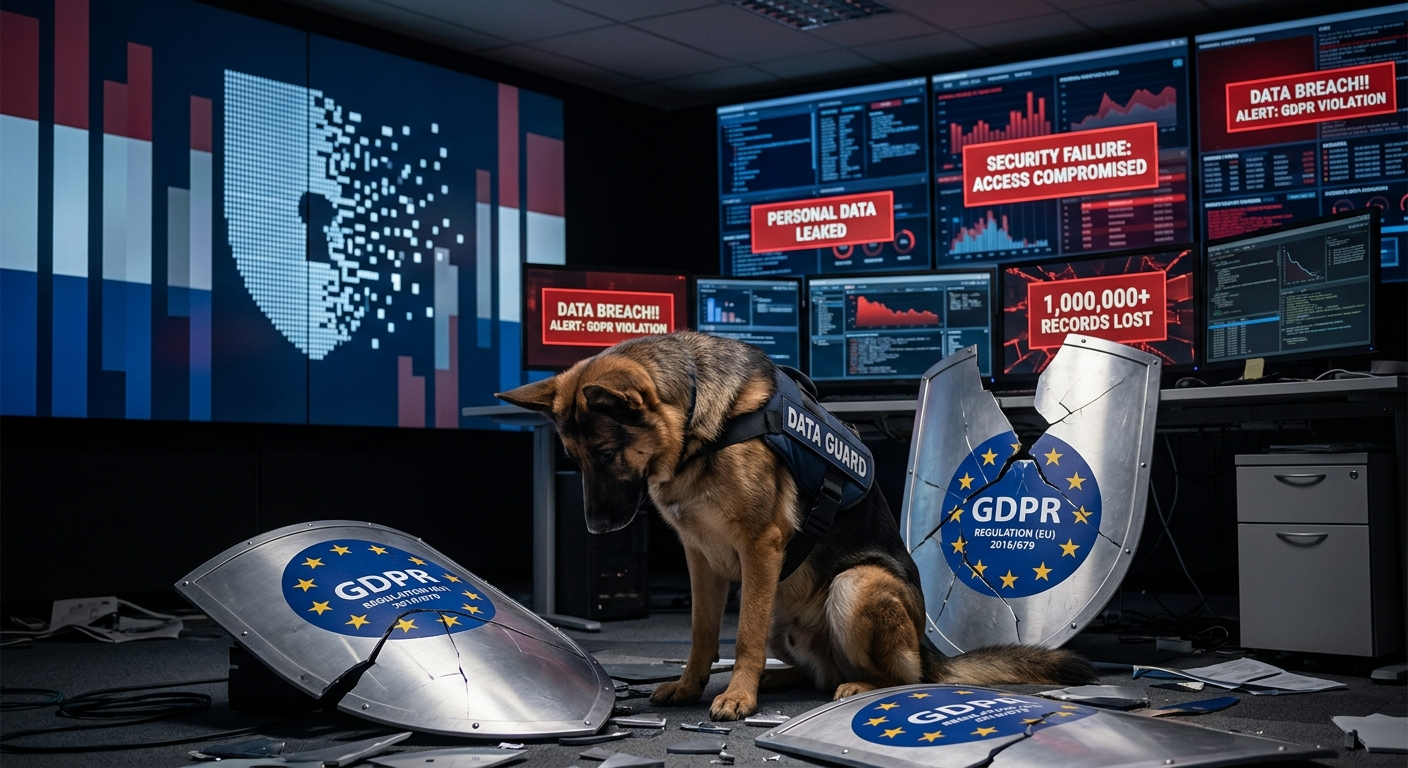
GDPR: The European Union’s General Data Protection Regulation has set the standard for data privacy.6CCPA: California’s Consumer Privacy Act is another significant regulation affecting companies.
Compliance Challenges
Remote work complicates compliance with these regulations, making it crucial for companies to update their policies.
Future Outlook
AI and Machine Learning
Artificial Intelligence and Machine Learning technologies are expected to play a significant role in detecting and preventing cyber threats.
Cyber Insurance
As the risks grow, more companies are considering cyber insurance as a safety net.
Conclusion
The post-COVID world has brought about significant changes in the cybersecurity landscape. The rise of remote work and increased cyber threats have necessitated a shift in cybersecurity strategies. Companies must adapt to these changes to protect themselves in this new normal.
Key Takeaways
7