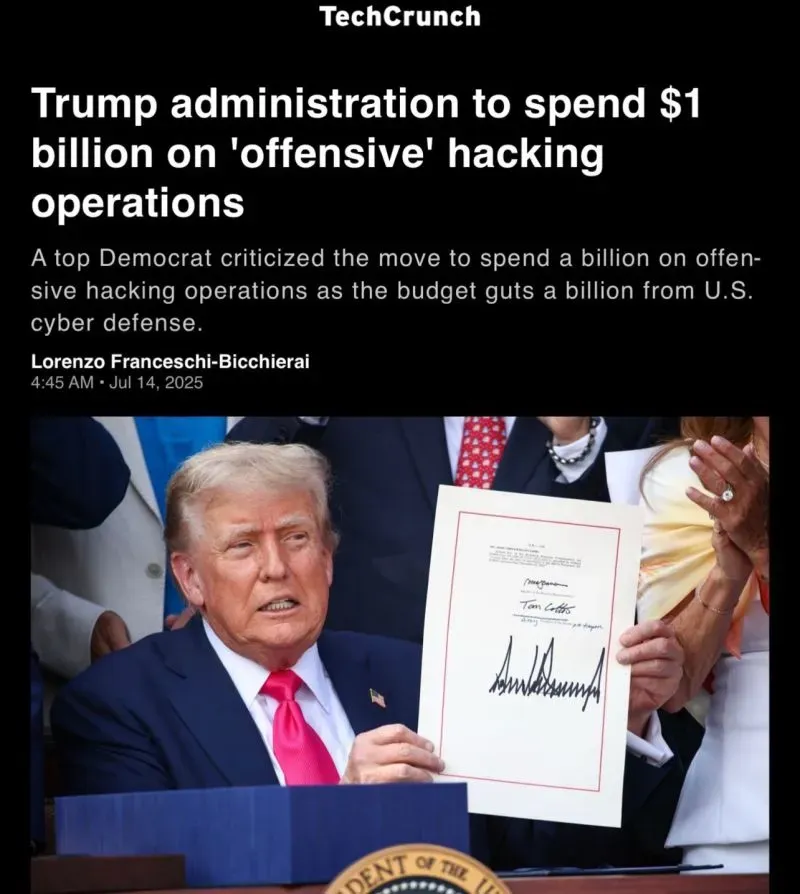
In a move that has sent shockwaves through the cybersecurity community, the U.S. State Department has dismantled its Bureau of Cyberspace and Digital Policy (CDP), firing diplomats and cyber experts as part of a sweeping reorganization that critics say will severely undermine America’s ability to combat international cyber threats.
 Breached CompanyBreached Company
The Scale of the Cuts
The reorganization, implemented on July 11, 2025, represents one of the most dramatic restructurings of the State Department in decades. Nearly 1,350 jobs have been eliminated, including key personnel within the Bureau of Cyberspace and Digital Policy—the very unit responsible for coordinating America’s diplomatic response to cyber threats from hostile nations.
Implications of US Cyber Command Standing Down from Operations Against RussiaThe United States Department of Defense has ordered U.S. Cyber Command to halt offensive cyber operations targeting Russia, marking a significant shift in military strategy amid diplomatic efforts to end the Russo-Ukrainian war. The directive, issued by Defense Secretary Pete Hegseth, reflects the Trump administration’s broader push to Security Careers HelpSecurity Careers
 Security Careers HelpSecurity Careers
What We’re Losing
The Bureau of Cyberspace and Digital Policy, established just three years ago in 2022, served as America’s primary diplomatic tool for addressing cyber threats. Its mission was critical: building international coalitions to counter state-sponsored hackers, particularly those backed by Russia and China, and developing global norms for cybersecurity.
The bureau’s work included:
- Coordinating with allies on responses to major cyberattacks
- Negotiating international agreements on cyber warfare limitations
- Building partnerships to share threat intelligence
- Establishing diplomatic consequences for nation-state cyber activities
 Breached CompanyBreached Company
Expert Warnings
Cybersecurity professionals and former diplomats are sounding the alarm about the potential consequences. The dismantling comes at a particularly precarious time, as cyber threats from nation-state actors are escalating rapidly. Recent years have seen increasingly sophisticated attacks on critical infrastructure, election systems, and private sector targets—all requiring coordinated international responses.
“This is like dismantling your fire department during a wildfire,” said one former State Department official who requested anonymity. “Cyber threats don’t respect borders, and neither can our response.”
The timing is especially concerning given the current geopolitical climate. With ongoing tensions with China and Russia, and emerging cyber threats from other state actors, the need for diplomatic coordination on cybersecurity has never been greater.
 Breached CompanyBreached Company
The Political Battle
The reorganization has sparked intense political debate. During a House hearing, Democrats condemned the cuts as reckless, with some calling the move “an act of vandalism” that guts the department’s institutional knowledge. Critics argue that the elimination of specialized cyber diplomacy capabilities will leave the U.S. scrambling to respond to future cyber incidents through diplomatic channels.
Supporters of the reorganization, however, argue that the State Department had become bloated and ineffective, requiring streamlining to improve efficiency. They contend that cyber diplomacy functions can be absorbed into other departments or handled through existing diplomatic channels.
 Compliance Hub WikiCompliance Hub
The Broader Context
This reorganization doesn’t exist in isolation. It’s part of a broader shift in how the current administration approaches international relations and government efficiency. The question is whether consolidating or eliminating specialized bureaus will actually improve America’s diplomatic effectiveness or simply create dangerous gaps in capability.
The cyber domain presents unique challenges that traditional diplomatic structures weren’t designed to handle. Cyber incidents can escalate rapidly, require technical expertise to understand, and demand swift international coordination. The specialized knowledge and relationships built within the Bureau of Cyberspace and Digital Policy took years to develop and may be impossible to quickly recreate.
 Compliance Hub WikiCompliance Hub
What Comes Next?
The immediate aftermath of the reorganization will likely test America’s cyber diplomatic capabilities. The next major cyber incident—whether it’s a ransomware attack on critical infrastructure, election interference, or industrial espionage—will reveal whether the U.S. can still effectively coordinate international responses without its dedicated cyber diplomacy apparatus.
International partners and allies are also watching closely. Many countries have invested heavily in their own cyber diplomacy capabilities, and the U.S. retreat from this space could create a leadership vacuum that other nations might fill.
 Compliance Hub WikiCompliance Hub
The Stakes
The dismantling of the cyber diplomacy bureau represents more than just a bureaucratic reshuffling—it’s a fundamental shift in how America approaches one of the most pressing national security challenges of our time. As our adversaries continue to weaponize cyberspace, the question becomes: can the United States afford to step back from cyber diplomacy just when it’s needed most?
The coming months will reveal whether this reorganization strengthens American diplomacy through efficiency or weakens it through the loss of specialized expertise. What’s certain is that in the rapidly evolving world of cyber threats, there’s little room for error—and even less time to rebuild what’s been dismantled.
The full impact of these changes will likely become clear only when the next major cyber crisis tests America’s diplomatic response capabilities. By then, it may be too late to reverse course.
 Security Careers HelpSecurity Careers