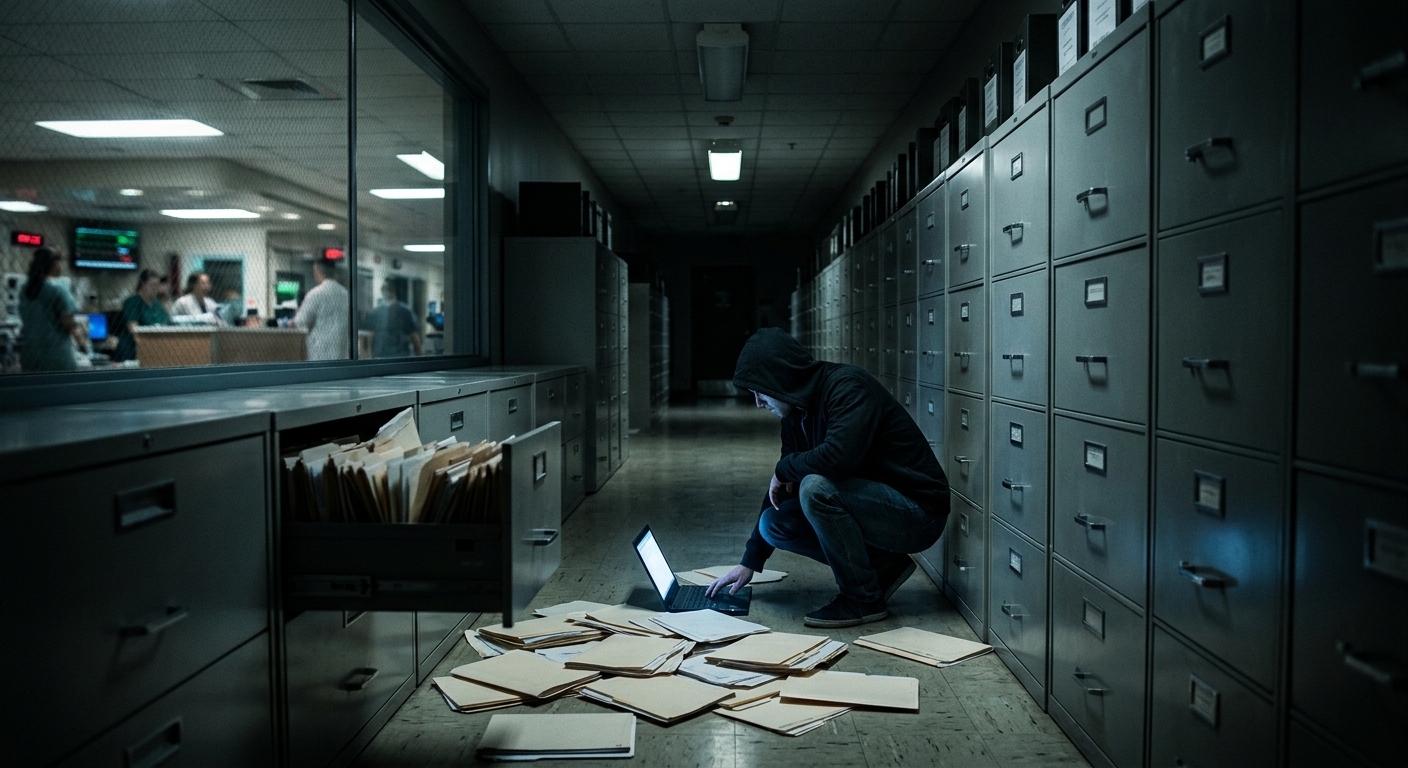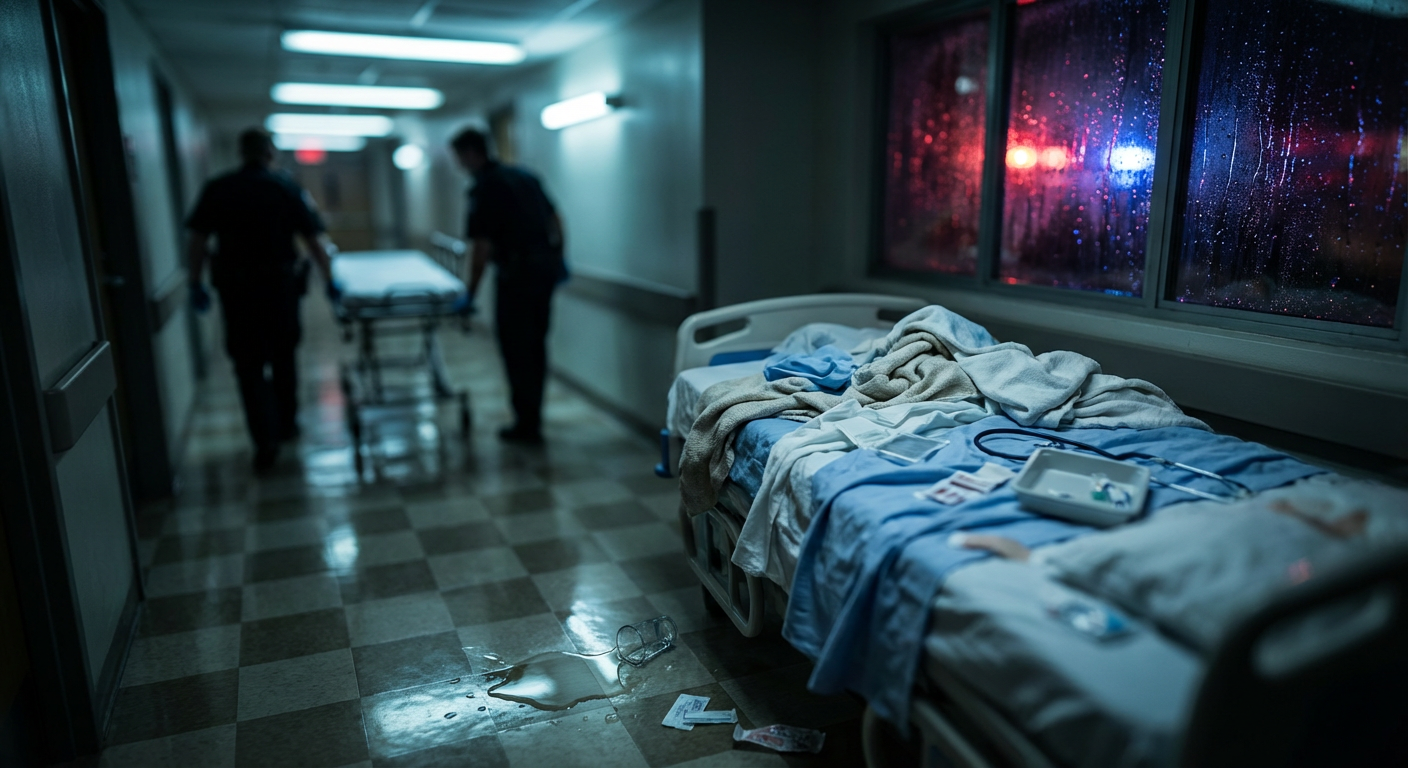
On the morning of April 6, 2026, Signature Healthcare Brockton Hospital in Brockton, Massachusetts discovered something no hospital administrator ever wants to see: suspicious activity in a portion of their network. Within hours, incident response protocols were activated, ambulance traffic was being diverted to neighboring facilities, retail pharmacies were closed, and cancer patients were being asked to call ahead before arriving for chemotherapy infusions.
This is not a story about a data breach — at least not yet. No patient records have been confirmed as compromised. But the Signature Healthcare incident illustrates something equally important: a cyberattack against a hospital does not need to exfiltrate a single file to cause serious, immediate harm to real patients in the physical world.
The attack on Brockton Hospital is another data point in a pattern that the healthcare sector can no longer afford to treat as an anomaly. It is the operating reality.
What Happened: The Brockton Hospital Incident
Signature Healthcare Brockton Hospital — a 216-bed community hospital serving the greater Brockton area of southeastern Massachusetts — identified suspicious activity in a portion of its network on April 6, 2026. The hospital immediately activated its incident response protocols and transitioned to what healthcare organizations call “downtime procedures”: paper-based, manual workflows designed to maintain operations when digital systems become unavailable or untrustworthy.
The operational impact was immediate and significant:
- Ambulance diversion: Emergency medical services were rerouted away from Brockton Hospital to other area facilities, reducing the hospital’s capacity to receive the most critically ill patients.
- Pharmacy closures: Retail pharmacies at 110 Liberty Street in Brockton and 1 Donalds Way in East Bridgewater closed on Tuesday, April 7.
- Cancer care disruption: Chemotherapy infusion services at the Greene Cancer Center were suspended, with resumption beginning April 7. Patients were instructed to call ahead before arriving, as scheduling remained uncertain.
- Medical records temporarily unavailable: Copies of medical records could not be processed during the downtime period.
- Ambulatory and urgent care delays: Physician practices and urgent care centers remained open but with anticipated delays.
Inpatient services, walk-in emergency care, and scheduled procedures including surgeries and endoscopies continued as planned. The hospital confirmed it is working with federal and state officials and has engaged third-party cybersecurity experts to investigate and remediate the incident.
As of this writing, the hospital has not confirmed whether this is a ransomware attack, nor has any threat actor publicly claimed responsibility. Officials stated they do not know when systems will be fully restored.
Why Hospitals Are Targeted: The Economics of Healthcare Extortion
The question security professionals stopped asking years ago — “why would anyone attack a hospital?” — has been thoroughly answered by the criminal ecosystem that now treats healthcare as a primary revenue source.
Cybersecurity consultant Robert Siciliano, commenting on the Brockton Hospital incident, put it plainly: “The hospital is a victim of a crime. Money is generally the motivation of most cybersecurity breaches we see today. Organized crime has taken cybersecurity as one of their primary methods of doing business.”
That assessment is accurate, and the financial calculus is straightforward. Healthcare organizations hold three categories of data that are extraordinarily valuable on criminal markets:
Protected health information (PHI) is the most expensive category of stolen data, consistently commanding prices of $250 to $1,000 per complete record on dark web markets — compared to $1 to $5 for a stolen credit card number. Unlike payment card data, which can be cancelled and reissued, medical records contain immutable personal details: diagnoses, treatment histories, Social Security numbers, insurance identifiers, and dates of birth. There is no equivalent of “cancelling” a medical history.
Operational leverage is the other side of the equation. Hospitals cannot simply take their systems offline and wait out an attacker. Lives depend on electronic health records, imaging systems, pharmacy management platforms, and real-time monitoring equipment. Every hour of downtime carries both financial and clinical cost. Ransomware operators targeting hospitals know this — and they price their demands accordingly.
Regulatory exposure creates additional pressure. A hospital facing a potential HIPAA breach notification obligation, HHS Office for Civil Rights scrutiny, and potential class-action litigation has powerful incentives to resolve an incident quickly and quietly. Paying a ransom can appear, at least superficially, as the path of least resistance.
The result is an industry under sustained assault. As we documented in our analysis of Healthcare Under Siege: 47 Ransomware Victims in 30 Days, the frequency and severity of ransomware attacks against healthcare providers has reached a level that can only be described as a patient safety crisis. Brockton Hospital is the latest name on a list that grows longer every week.
Ambulance Diversion: When Cybersecurity Becomes a Life-Safety Issue
The diversion of ambulance traffic from Brockton Hospital deserves particular attention, because it represents the most direct mechanism by which a cyberattack translates into risk of patient death.
Ambulance diversion is not merely an operational inconvenience. When a hospital diverts incoming emergency vehicles, patients experiencing time-sensitive conditions — cardiac events, strokes, severe trauma, respiratory failure — are transported to facilities that may be farther away, less equipped, or already operating near capacity. Every additional minute in transport is a minute without definitive care. In stroke treatment, where brain tissue is lost at a rate of approximately 1.9 million neurons per minute, travel time is directly correlated with neurological outcome.
Regional hospital systems are interconnected. When one facility diverts, the burden shifts to neighboring hospitals. If multiple facilities in a region are impacted simultaneously — a scenario that is not hypothetical, given that ransomware operators sometimes coordinate or that attacks spread laterally across shared healthcare networks — the diversion cascade can overwhelm an entire regional emergency system.
The 2019 study published in JAMA Network Open, which examined the correlation between hospital cyberattacks and patient outcomes, found statistically significant associations between ransomware events and increased in-hospital mortality from time-sensitive conditions. The mechanism is precisely what Brockton Hospital is experiencing: when systems go down and ambulances divert, patients die who would not have otherwise.
This is the dimension of healthcare cyberattacks that gets lost in discussions of data breach notification timelines and HIPAA penalties. The harm is not only to patient privacy — it is to patient survival.
Downtime Procedures: How Hospitals Cope When Systems Fail
The activation of “paper-based downtime procedures” at Brockton Hospital reflects a planning reality that every accredited hospital in the United States is required to address. The Joint Commission mandates that healthcare organizations maintain documented downtime procedures for all critical clinical systems, precisely because cyberattacks, power outages, and software failures are not rare edge cases — they are anticipated operational scenarios.
In practice, downtime procedures involve reverting to manual workflows that pre-date computerized hospital management:
- Medication orders are written by hand and physically carried between departments
- Patient vital signs are recorded on paper flowsheets rather than entered into electronic health records
- Laboratory results are communicated verbally or via fax rather than appearing automatically in the patient record
- Imaging orders are phoned in and results communicated by radiologists directly to clinicians
- Patient identification relies on wristbands and manual verification rather than barcode scanning
These procedures work. Hospitals operated exclusively on paper for most of the twentieth century, and clinical staff trained in downtime workflows can maintain safe patient care for limited periods. The critical variables are duration and scope.
Short-duration, limited-scope downtime events are manageable. Extended outages — lasting days or weeks, affecting all clinical systems simultaneously — introduce compounding risks: medication errors increase when transcription is manual, critical information fails to follow patients across departments, and clinical staff experience the cognitive burden of operating outside familiar workflows while simultaneously managing normal patient loads.
The Brockton Hospital incident has now extended beyond its first 72 hours, and the hospital has not indicated when systems will be restored. That timeline matters enormously for patient safety and staff capacity.
The Broader Healthcare Breach Context
Signature Healthcare Brockton Hospital is not a large academic medical center with a dedicated security operations center and an eight-figure IT budget. It is a community hospital serving a working-class city of approximately 105,000 residents — the kind of institution that provides essential care to populations that have few alternatives, and that typically operates on thin margins that leave limited room for security investment.
This is not an accident. Threat actors rationally select targets with high leverage, high willingness to pay, and lower defensive capability. Large academic health systems, while not immune, have increasingly hardened their infrastructure following the high-profile attacks on CommonSpirit Health, Ascension, and Change Healthcare in recent years. Community hospitals, rural health systems, and specialty providers have often been slower to implement the endpoint detection, network segmentation, and identity controls that reduce dwell time and limit blast radius.
The attack pattern is visible across recent incidents we have covered. The Conduent ransomware attack that affected 10.5 million Americans demonstrated how a single vendor compromise can cascade through dozens of downstream healthcare organizations. The Genesis ransomware attack on a Staten Island healthcare nonprofit showed that organizations serving vulnerable populations — in that case, adults with developmental disabilities — are not exempt from criminal targeting, regardless of their mission or their ability to pay.
The pattern is consistent: attackers follow the leverage, not the resources. A hospital that cannot take its emergency department offline is, from a ransomware operator’s perspective, a hospital that cannot afford not to pay.
What Patients and Families Should Do
If you receive care at Signature Healthcare Brockton Hospital or any of its associated facilities, the following guidance applies during the ongoing incident:
For emergency care: Inpatient and walk-in emergency services remain open. If you are experiencing a medical emergency, call 911. Be aware that dispatchers may route ambulances to alternative facilities depending on current diversion status.
For chemotherapy and infusion services: Contact the Greene Cancer Center directly before arriving for any scheduled appointment. Chemotherapy infusion services began resuming April 7, but scheduling remains in flux and patients should confirm appointments rather than assuming they are proceeding as planned.
For pharmacy services: The retail pharmacies at 110 Liberty Street, Brockton and 1 Donalds Way, East Bridgewater are closed. Contact your pharmacy for transfer of standing prescriptions to an alternative location.
For ambulatory physician appointments: Practices and urgent care facilities are open but delays should be anticipated. Call ahead to confirm appointment status.
For medical records requests: Requests for copies of medical records cannot be processed during the downtime period. Monitor the hospital’s official communications channels for updates on records availability.
Regarding personal data: The hospital has stated there is no current indication that patient data has been compromised. This assessment may change as the investigation progresses. Monitor official communications from Signature Healthcare and consider signing up for any notification services the organization makes available.
What Healthcare Organizations Must Do
The Brockton Hospital incident is a stress test in real time, and the healthcare sector should be watching closely — not to observe a peer’s misfortune, but to evaluate its own readiness.
Healthcare security and executive leadership teams should use this moment to ask a direct question: if our organization discovered suspicious network activity at 7 AM tomorrow, how long would it take us to activate downtime procedures, notify the appropriate federal and state agencies, engage our third-party incident response retainer, and communicate coherently with patients and the public?
If the honest answer to any part of that question is “we are not sure,” the gap between current posture and required readiness is measurable — and closeable. The IR Maturity Assessment at ir.breached.company provides a structured framework for healthcare security teams to evaluate their incident response capability against the scenarios that threat actors are actively exploiting. The IR Cost Calculator at ircost.breached.company can help leadership teams quantify the financial exposure of an extended downtime event — a number that consistently dwarfs the cost of the preventive investments that could have reduced the likelihood or severity of the attack.
Brockton Hospital, like every organization that has faced this scenario, will eventually restore its systems. The investigation will conclude, the forensic report will be filed, and the hospital will continue providing care to the Brockton community. The question is what the institution — and the broader healthcare sector — learns from the experience.
The organizations that treat incidents like this as isolated, unfortunate events that happened to someone else are the ones writing their own incident response plans in real time, under duress, on paper, while their pharmacies are closed and their ambulances are going elsewhere.
Sources:
- WHDH 7News — Signature Healthcare Brockton Hospital Cyberattack Coverage (April 6, 2026)
- Signature Healthcare Brockton Hospital Official Communications
- JAMA Network Open — Ransomware Attacks on US Hospitals and the Association With Acute Care Delivery
- IBM Cost of a Data Breach Report 2025
- HHS Office for Civil Rights — HIPAA Breach Notification Rule